 |
 |
 |
 |
 |
 |
 |
 |
 |
|||
 |
 |
|
|||||||
 |
|||||||
 |
|||||||
 |
|||||||
 |
|||||||
|
|||||||



|
||||||
 |
||||||
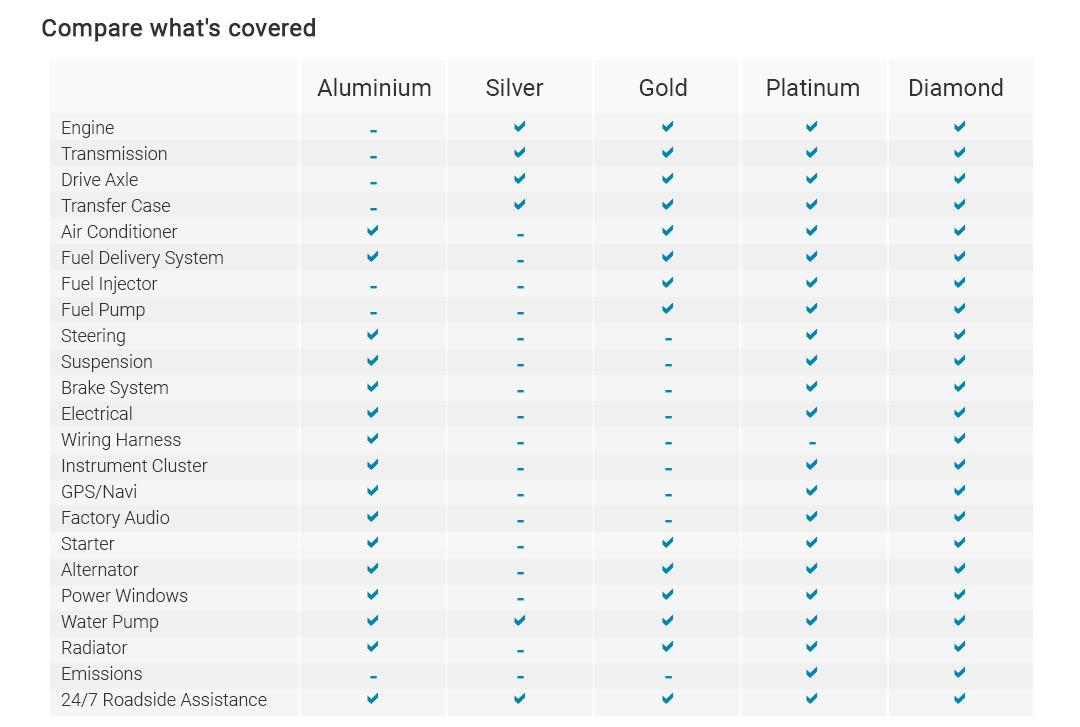 |
||||||
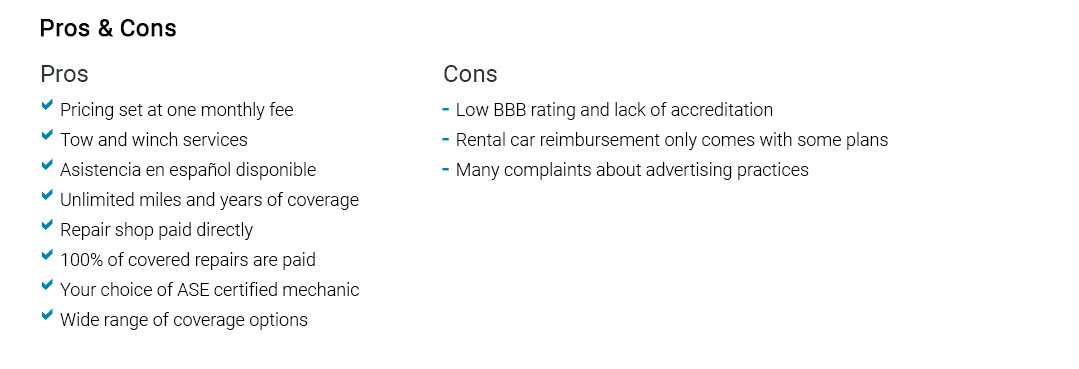 |
||||||
|
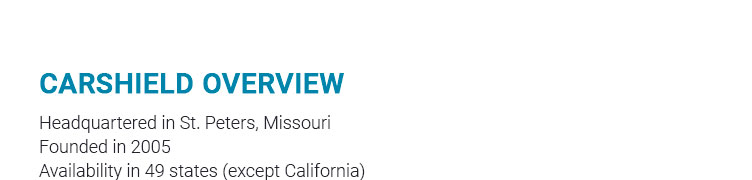


 |
 |
 |
 |
 |
 |
 |
best 3rd party warranty decisions that keep you in controlWhat "best" really means for your situation"Best" is not the longest list of buzzwords or the cheapest monthly price. It's the plan that protects your biggest repair risks, lets you decide where to service the car, and keeps claims simple instead of stressful. If repair bills worry you more than minor wear items, prioritize strong exclusionary coverage. If you drive high miles, prioritize easy claims and fair labor rates over fancy perks. Your priorities come first
Coverage elements that matter more than marketing
Cost, value, and controlPrice is only half the equation. A slightly higher premium with fair labor rates and direct pay often saves more at claim time than a bargain plan with tight caps.
A quick real-world momentOn a drizzly Tuesday, Mia's crossover threw a transmission code. Her shop called the administrator directly, got same-day approval, and the plan covered labor at the local rate with OEM fluid. She paid a single $100 deductible, used the rental car benefit for two days, and was back on the road by Thursday - no reimbursement paperwork, no chasing calls, no surprises. How to compare without getting lost
Red flags that take away control
Making the call with confidenceCircle the plan that protects your highest-cost risks, pays your chosen shop fairly, and states in writing how claims are approved and funded. If two options seem close, pick the one that preserves your control at the point of failure - because that's when clarity matters most. Quick decision checklist
Keep a short note of unresolved questions and call the provider; the right partner will welcome the conversation and help you decide at your pace, not theirs, so you can keep steering what happens next
Main Topic:
Warranty Coverage
Related Guides:
Third Party Warranty
Best Minivan Warranty
Rt 66 Warranty
Bumper Warranty
https://teslamotorsclub.com/tmc/threads/best-third-party-warranty.313545/
XCare EV Protection is a great option for your new Model S. We do not care about where you purchased your vehicle from, or if you are well past factory ... https://www.caranddriver.com/auto-loans/a41685681/is-extended-car-warranty-worth-it/
A third-party extended warranty also offers a few benefits. You may have more mechanic options to choose from because you don't have to take ... https://www.cartalk.com/extended-warranties/best-extended-car-warranties-in-california
Best Extended Warranties in California - Popular Warranty Providers - CarChex - Endurance - autopom!
|
